| Donate $25 for two DVDs of the Cryptome collection of files from June 1996 to the present |
|
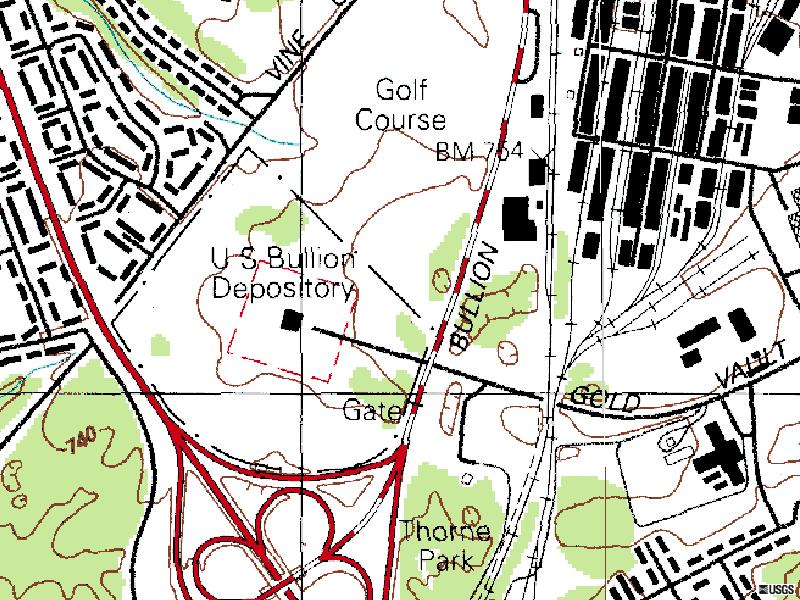
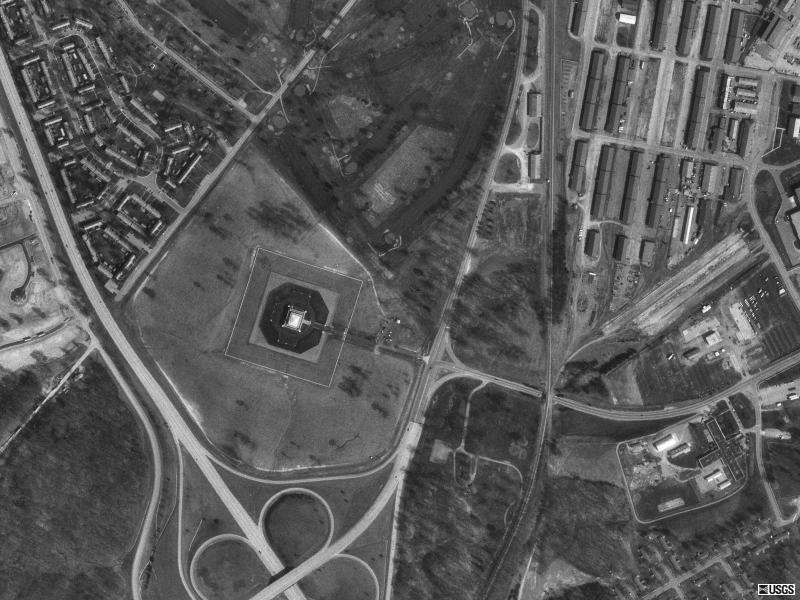
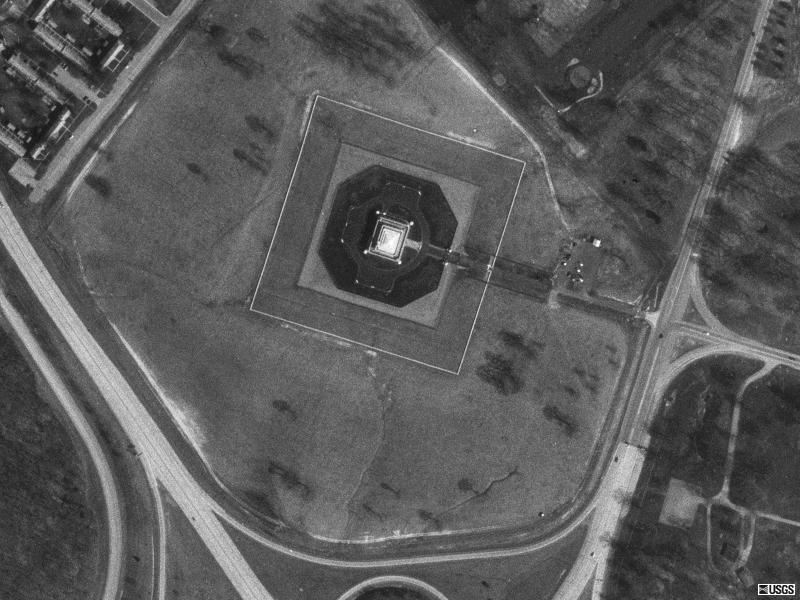
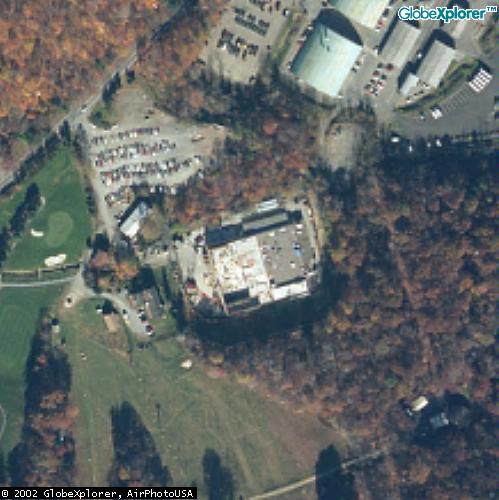
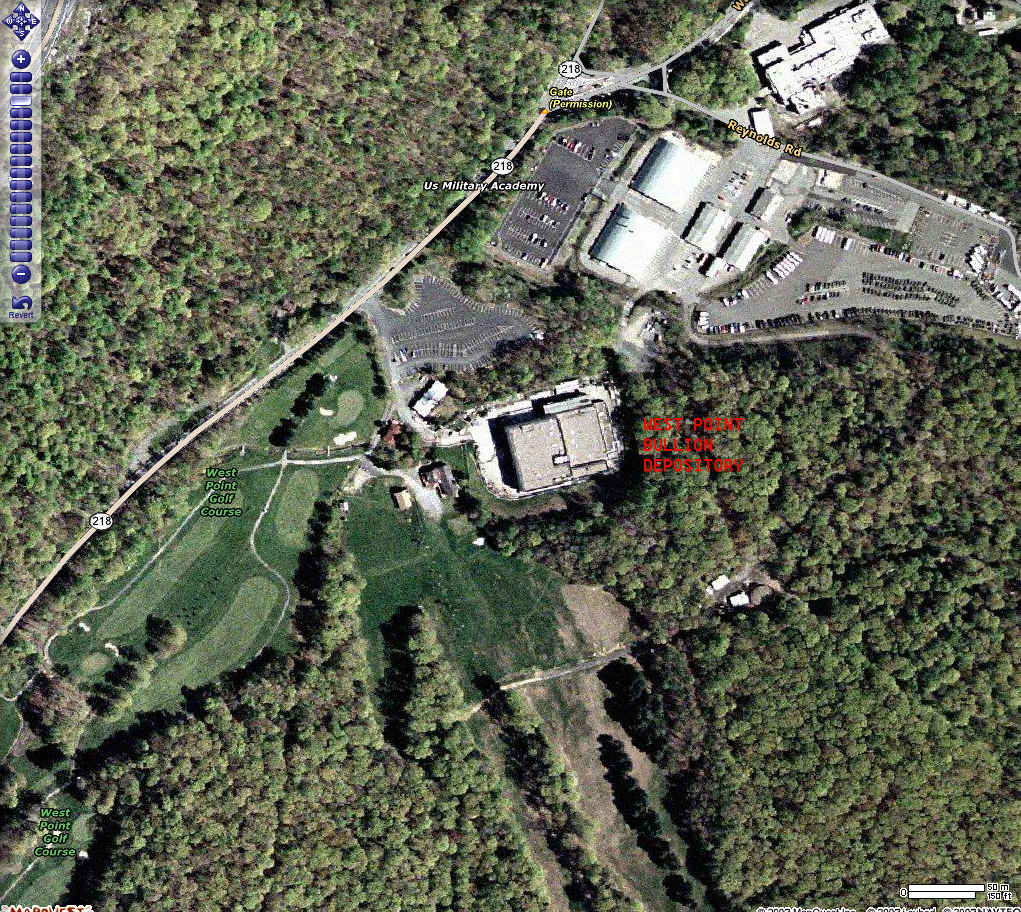
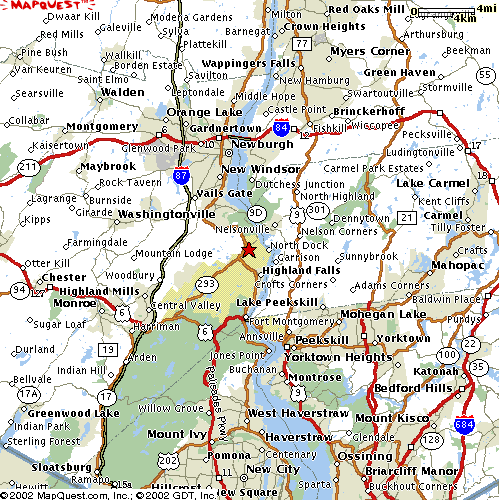
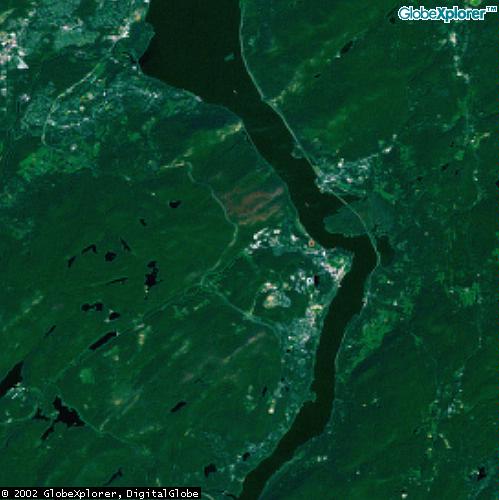
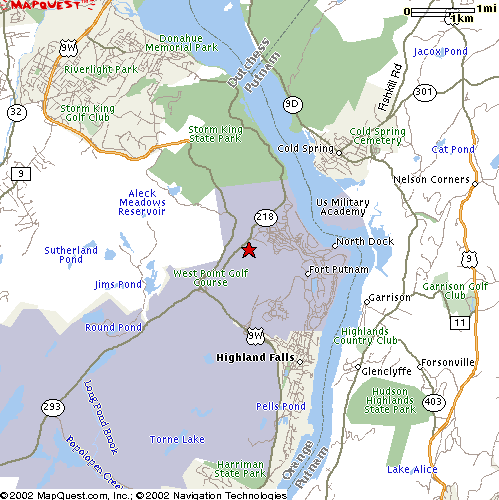
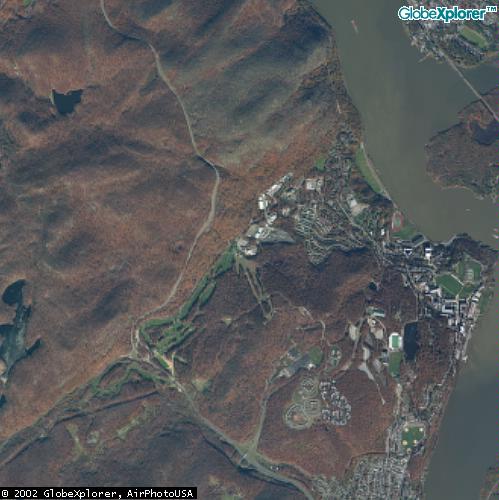
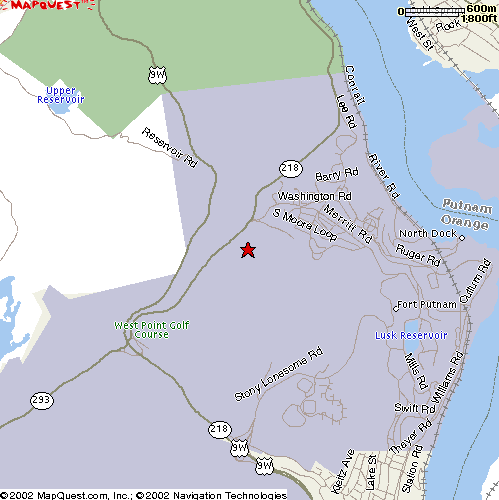
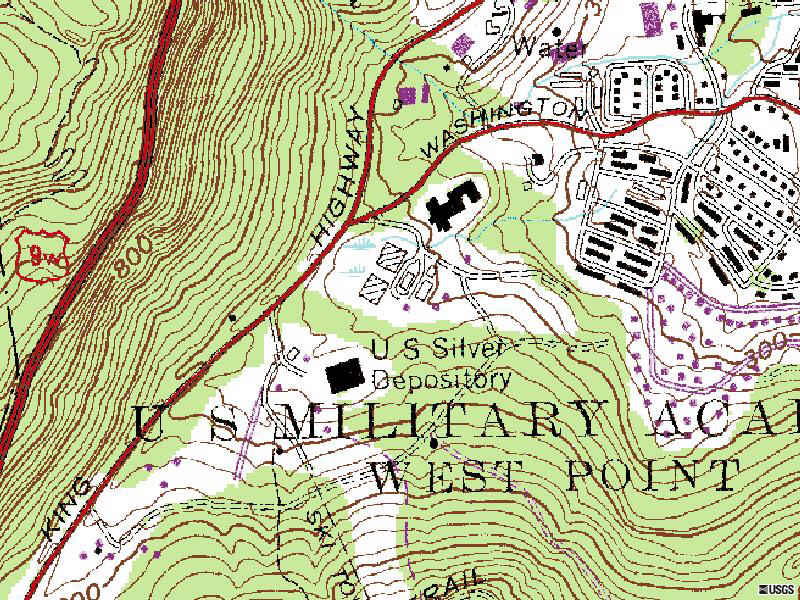
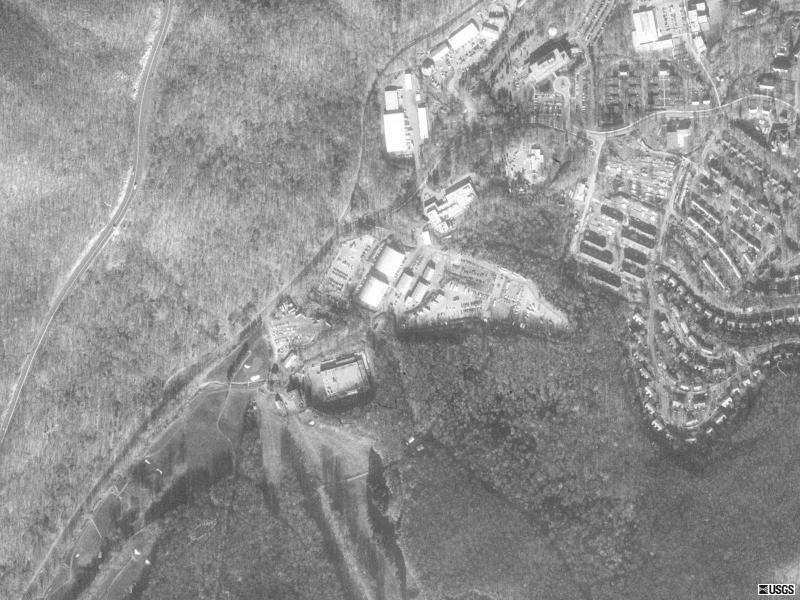
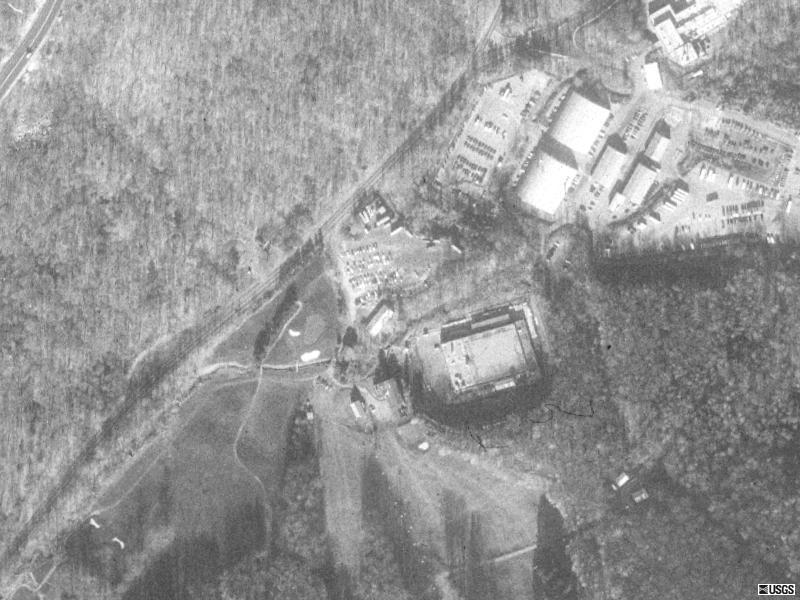
21 January 2007. Add Mapquest aerial photo of the West Point Bullion Depository.
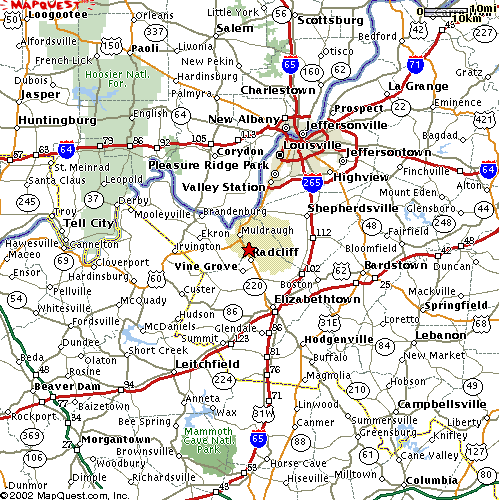
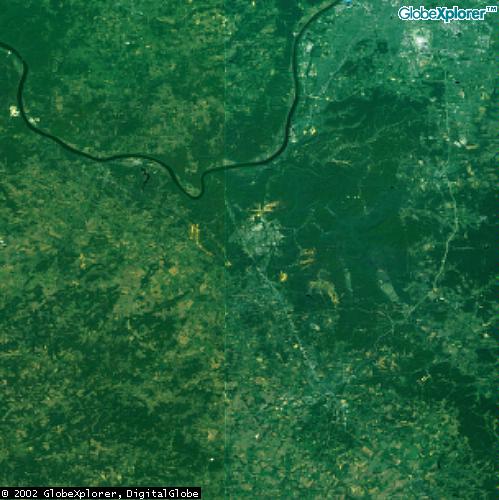
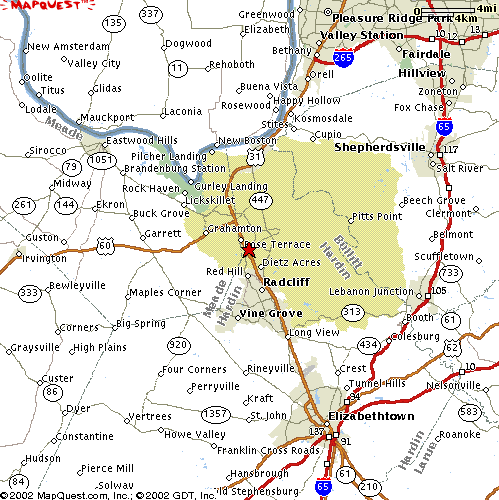
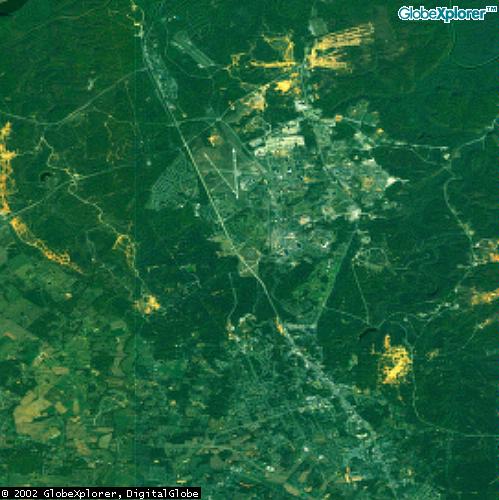
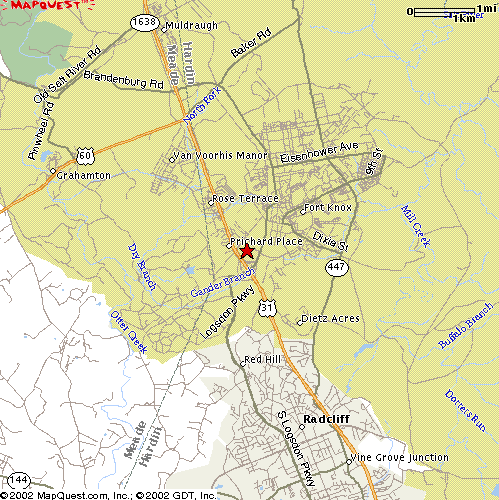
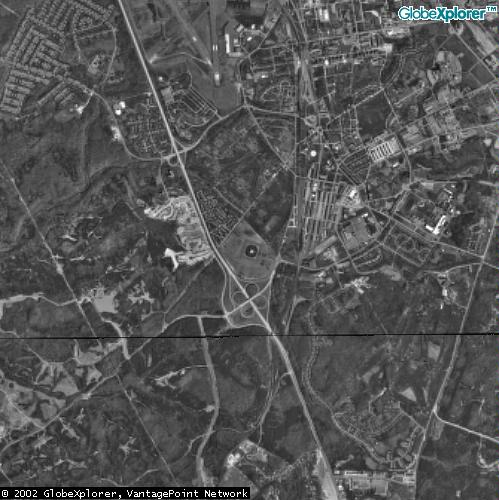
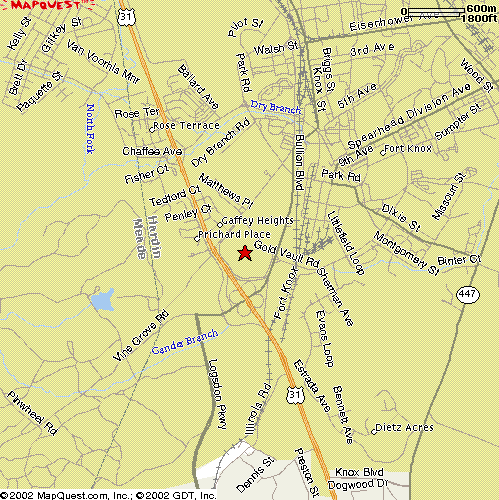
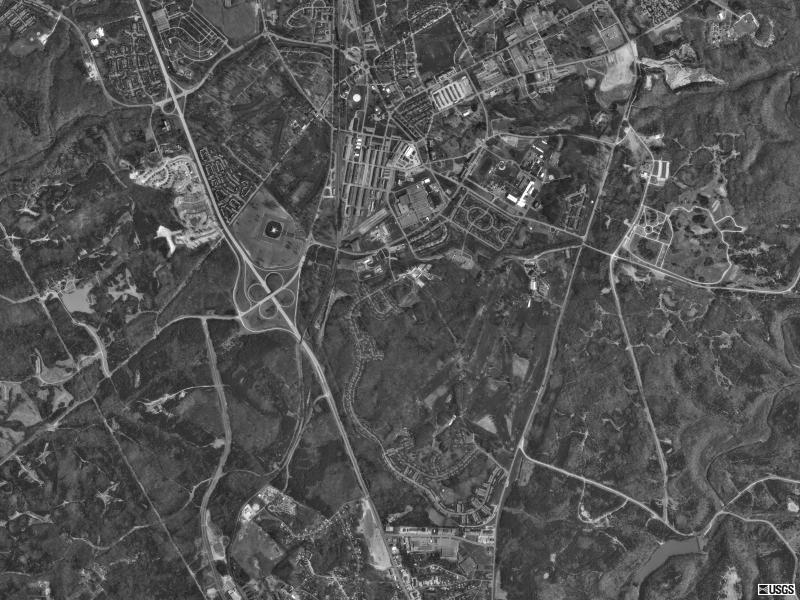
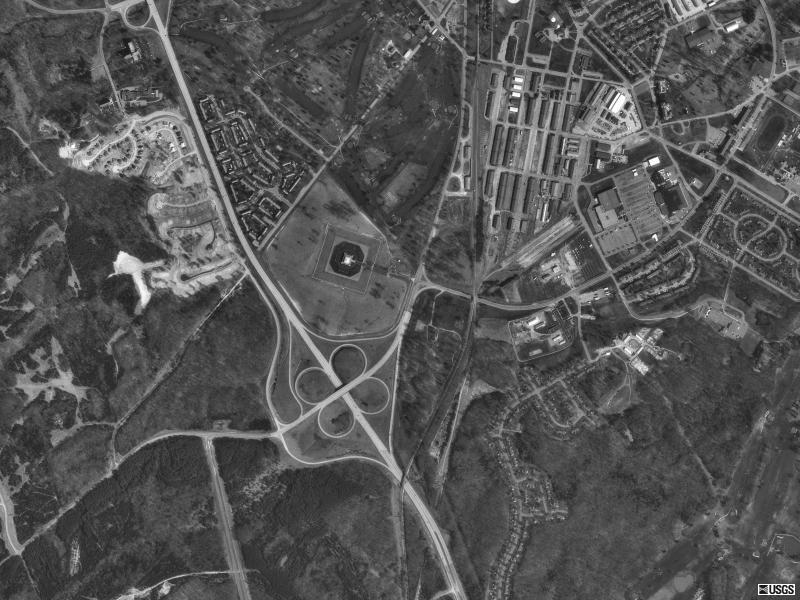
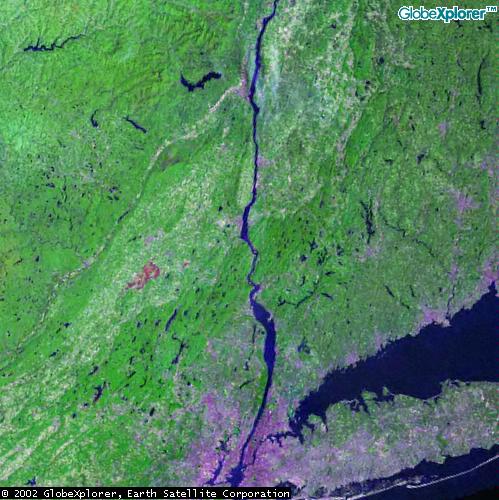
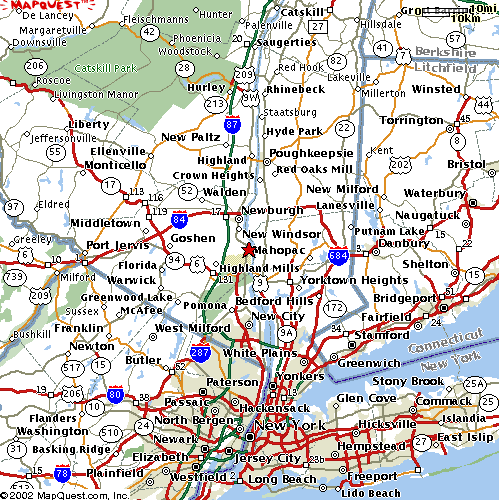
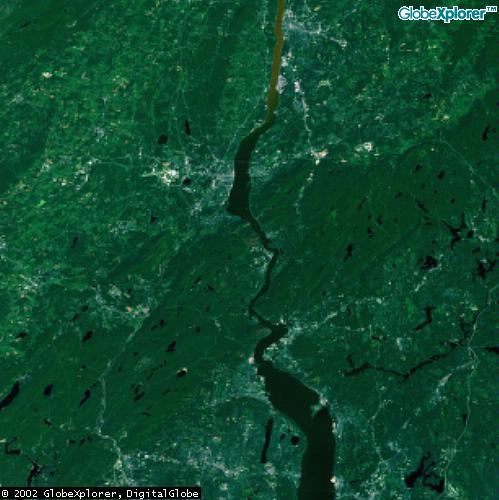
10 August 2002 http://www.ustreas.gov/education/fact-sheets/currency/fort-knox.html Fort Knox Bullion Depository A large amount of the United States' gold reserves is stored in the vault of the Fort Knox Bullion Depository, one of the institutions under the supervision of the Director of the United States Mint. The remaining gold reserves are held in the Philadelphia Mint, the Denver Mint, the West Point Bullion Depository [eyeball below] and the San Francisco Assay Office, also facilities of the United States Mint. The Depository was completed in December 1936 at a cost of $560,000. It is located approximately 30 miles southwest of Louisville, Kentucky, on a site which was formerly a part of the Fort Knox military reservation. The first gold was moved to the Depository by railroad in January 1937. That series of shipments was completed in June 1937. The two-story basement and attic building is constructed of granite, steel and concrete. Its exterior dimensions measure 105 feet by 121 feet. Its height is 42 feet above ground level. The building's construction was supervised by the Procurement Division of the Treasury Department, now the Public Buildings Administration of the General Services Administration. Upon its completion, the Depository was placed under the jurisdiction of the Director of the United States Mint. Within the building is a two level steel and concrete vault that is divided into compartments. The vault door weighs more than 20 tons. No one person is entrusted with the combination. Various members of the Depository staff must dial separate combinations known only to them. The vault casing is constructed of steel plates, steel I-beams and steel cylinders laced with hoop bands and encased in concrete. The vault roof is of similar construction and is independent of the Depository roof. Between the corridor encircling the vault and the outer wall of the building is space used for offices and storerooms. The outer wall of the Depository is constructed of granite lined with concrete. Construction materials used on the building included 16,500 cubic feet of granite, 4,200 cubic yards of concrete, 750 tons of reinforcing steel and 670 tons of structural steel. Over the marble entrance at the front of the building is the inscription "United States Depository" with the seal of the Department of the Treasury in gold. Offices of the Officer in Charge and the Captain of the Guard open upon the entrance lobby. At the rear of the building is another entrance used for receiving bullion and supplies. At each corner of the structure on the outside, but connected with it, are four guard boxes. Sentry boxes, similar to the guard boxes at the corners of the Depository, are located at the entrance gate. A driveway encircles the building and a steel fence marks the boundaries of the site. The building is equipped with the latest and most modern protective devices. The nearby Army Post provides additional protection. The Depository is equipped with its own emergency power plant, water system and other facilities. In the basement is a pistol range for use by the guards. The gold stored in the Depository is in the form of standard mint bars of almost pure gold or coin gold bars resulting from the melting of gold coins. These bars are about the size of an ordinary building brick, but are somewhat smaller. The approximate dimensions are 7 x 3-5/8 x 1-3/4 inches. The fine gold bars contain approximately 400 troy ounces of gold, worth $16,888.00 (based on the statutory price of $42.22 per ounce). The avoirdupois weight of the bars is about 27-1/2 pounds. They are stored in the vault compartments without wrappings. When the bars are handled, great care is exercised to avoid abrasion of the soft metal. The Depository is headed by an Officer in Charge, who is responsible for ensuring the security of the gold. The guard force is composed of men selected from various Government agencies, or recruited from Civil Service registers. No visitors are permitted at the Depository. This policy was adopted when the Depository was established, and is strictly enforced.
|